Art of VFX and Virtual Production*

BA (Hons) Undergraduate Degree

UCAS Code W614
Start Date 14/09/2026
Duration 3 Years full time
UCAS Points 104-120
*This course is subject to validation and details in this course information may change.

Places for September 2026. Start your journey today!

Course Overview

Our Art of VFX and Virtual Production (VFX) degree is a hands-on, industry-focused course designed to equip you with the practical skills needed for careers in visual effects, games, and digital media. You’ll be taught by experienced professionals who are actively working in the industry, ensuring that everything you learn is relevant, up-to-date, and aligned with current employer expectations.

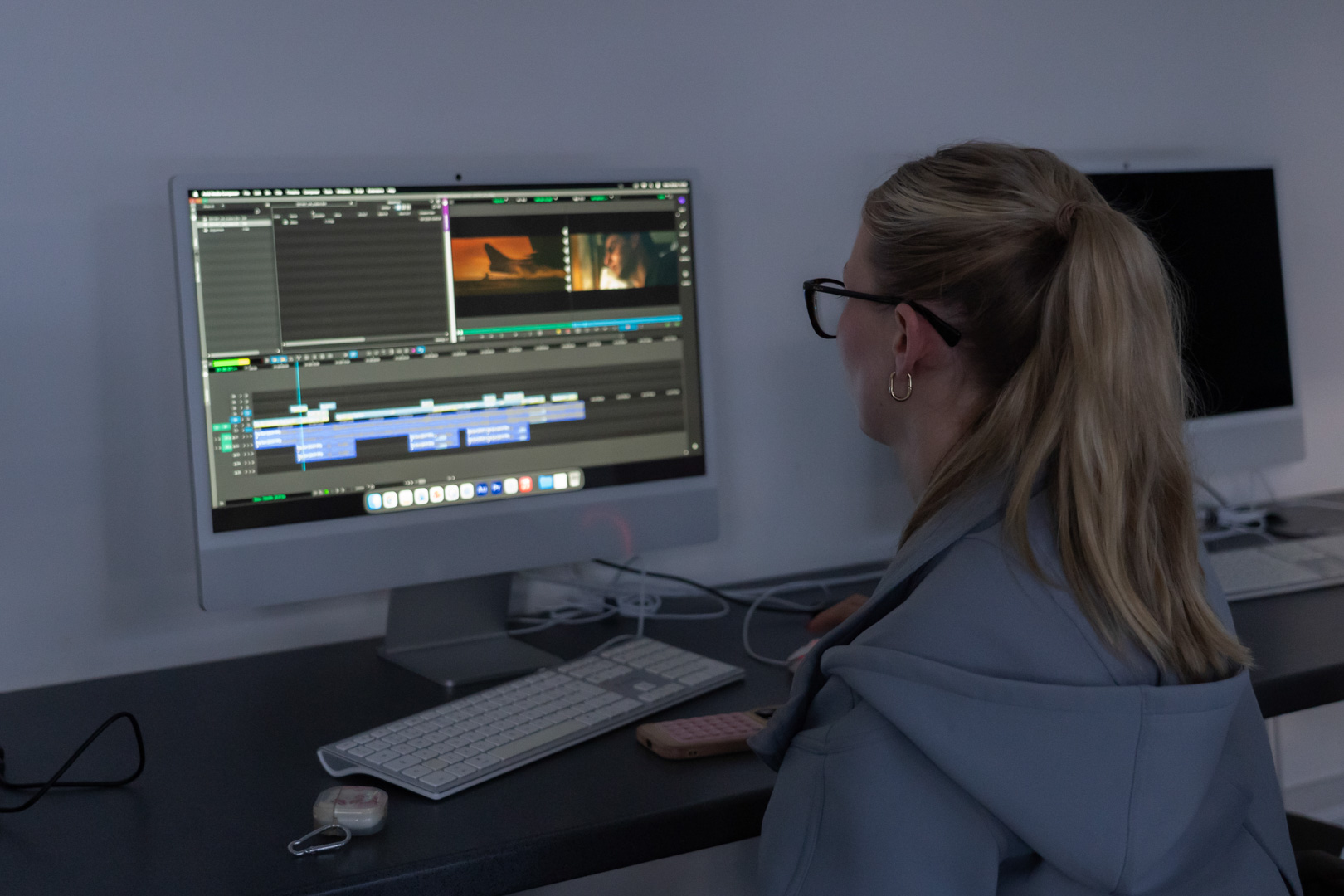
Throughout the course, you’ll learn through a dynamic mix of lectures, hands-on workshops, tutorials, studio sessions, and practical projects. Key areas of study include 3D modelling, digital sculpting, 2D and 3D compositing, motion graphics, performance capture, asset integration, simulation, dynamics, technical FX, on-set VFX supervision, on-set virtual production using an LED volume, and the creation of real-time environments for virtual production.

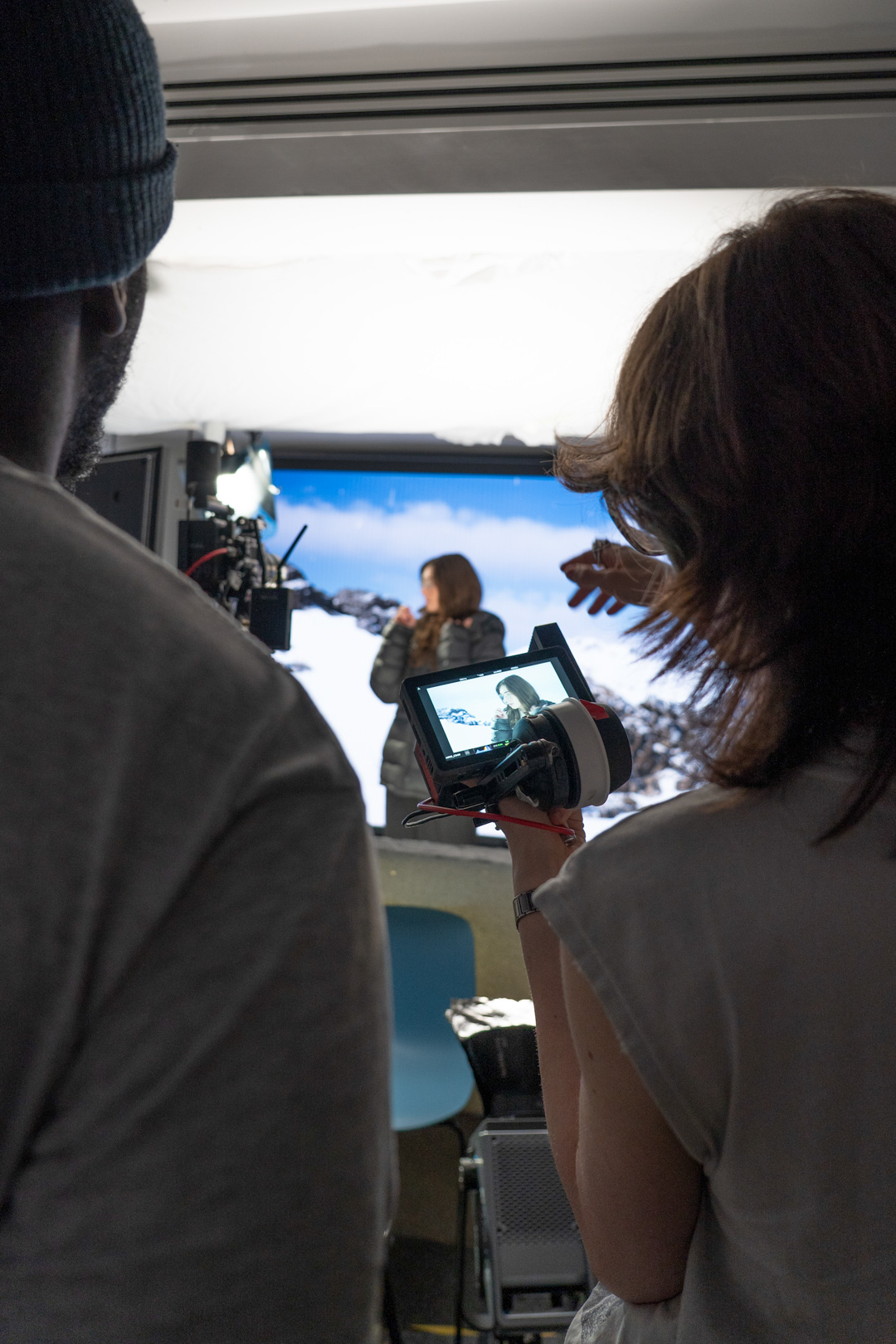
We combine cutting-edge, industry-standard software training with insights drawn from over a century of filmmaking and visual effects practice. You’ll also gain experience working with emerging virtual production workflows with a studio-based LED volume, including real-time environment creation, in-camera visual effects, and modern production pipelines used across film, television, and interactive media.

What will I study?
  • Compositing for VFX
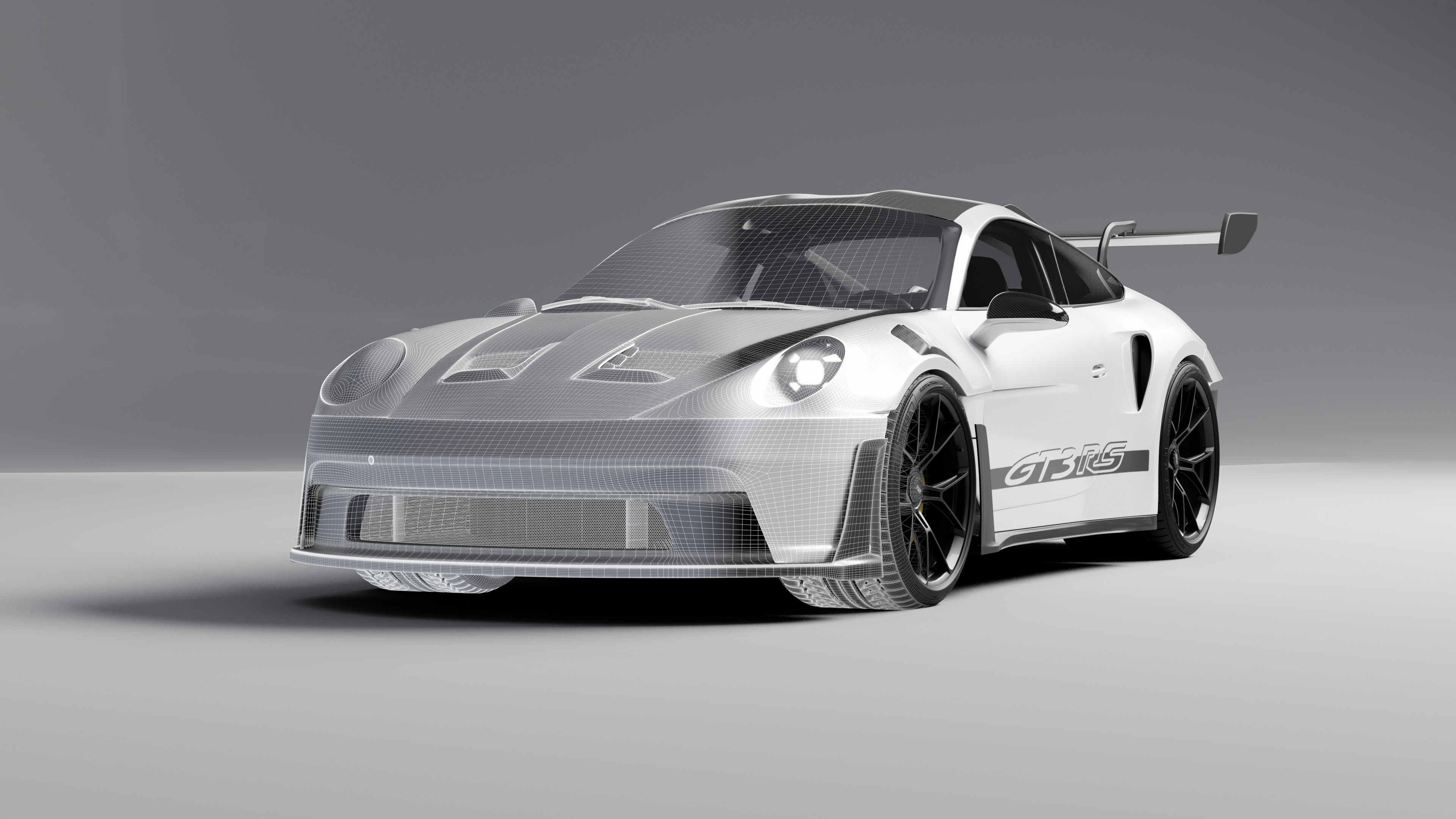
  • 3D Studies and Modelling
  • Texture and Lighting
  • Composition
  • Rendering
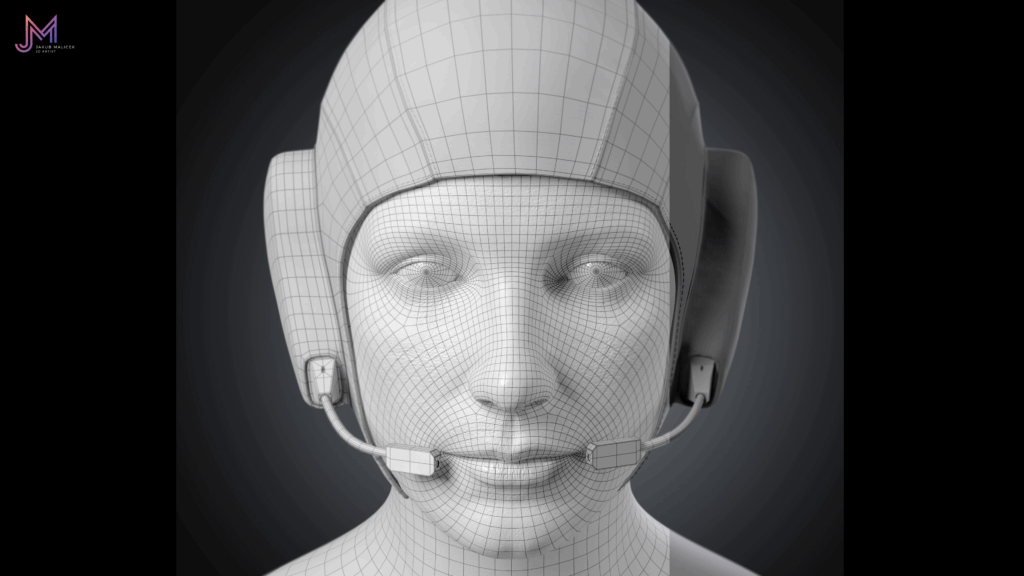
  • Digital Sculpting
  • Motion Graphics
  • Performance Capture
  • Dynamics & Technical FX
  • Realtime Asset Creation
  • Onset Virtual Production
Compositing for VFX (20 credits)
Introduces you to working with industry standard software. You will be introduced to the core 2D compositing skill used by the leading production houses internationally.
Asset Integration & Invisible VFX (20 credits)
Building on the skills learnt in ‘Composting for VFX’, you will focus on how to track real world cameras, gather lighting information, texturing and multipass rendering to invisible composite 3D asset into a filmed plate.
3D for VFX (20 credits)
You will be introduced to the fundamentals of 3D modelling and Animation to enable you to replicate real world objects in industry standard 3D software. You will be introduced to creative and technical skills such as good edge workflow, UV mapping, texturing, lighting and rendering in order to create a 3D turntable artefact, which showcases the beginnings of Photorealism.
Creative Development (20 credits)
This module introduces you to key concepts for working in the creative sector, including the study of visual conventions and narratives, the development of traditional creative skills such as research skills, creative development, storyboard creation, previsualization and the analysis of visual material in terms of aesthetic value and communication content.
Creative Practice (40 credits)
This module builds on work produced as part of ‘Creative Development’, where you will work in small teams to develop concepts to particular briefs and then pitch these for feedback, before going on to develop the concept and deliver the final product as a post visual showcase. The aims are to provide you with the knowledge, understanding and practical skills in production for digital industries.
Digital Environments for Visual Effects and Virtual Production (40 credits)
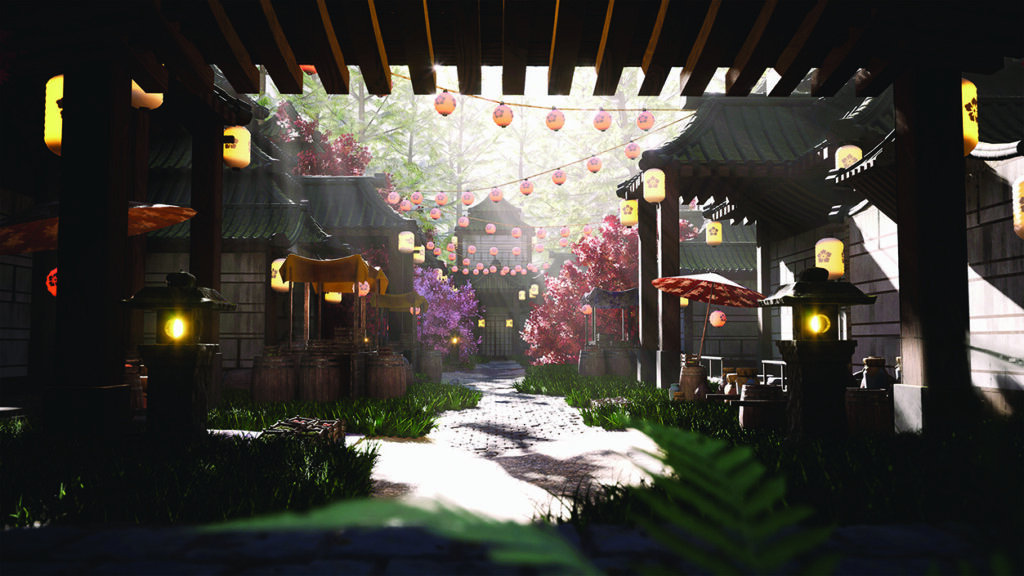
You will be working as part of a team to replicate a studio project pipeline for VFX. As part of an open brief, you will use creative practices to generate digital environments and environmental FX through a 3D modelling pipeline, on-set virtual production, real-time environment creation, virtual production using Unreal Engine, dynamics, simulation, and visual effects on-set supervision.
Digital Sculpting (20 credits)
This will introduce you to advanced 3D modelling techniques including digital sculpting, hair simulation, texturing, rendering and compositing to creating a likeness of a character from popular media.
Motion Graphics (20 credits)
You will explore the theory, creative and practical development of graphic design in relation motion graphics and as part of user interface development for film, television, and advertising. This will include exploring key graphic design techniques, as well as animation principles, 3D, and simulation-based motion graphics.
Performance Capture (20 credits)
You will be introduced to motion performance-based animation and its integration with an animation ready digital character within a digital environment which takes in to consideration the mise en scene of your creative decisions.
Dynamics & Technical FX (20 credits)
Introduces you to the use particle systems, rigid body dynamics, cloth simulations, fluid simulations, and destruction simulations. This will include research of forces, collisions, friction, and material properties to create realistic-looking simulations. Furthermore, the you will employ evaluation and analysis of creative and technical decisions making.
Advanced Digital Environments and Virtual Production (40 credits)
Building on ‘Digital Environments for Visual Effects and Virtual Production’ with a bias on specialisation you get the chance to negotiate your role in the assessment and are graded accordingly. This is where you can hone your specific research and practical skills to create a group-focused portfolio.
Major Project (40 credits)
This is the module that allows you the freedom to create your own project relating to your chosen area of the industry. This can include collaboration or individual work and is another area where you can enhance your portfolio and employability skills.
Professional Futures (40 credits)
Prepares the you for the world of work in a multitude of ways from career research, networking, how to create a freelance portfolio to the techniques needed to become employable.
Mode of Delivery
Full-time, in-person, on-campus
In-Person Lessons
Typically between 12 and 14 hours a week
Self-study time
Typically between 35 and 40 hours a week
“Futureworks has opened my eyes to the world of VFX, creating an environment to nurture my passion and ready myself for the industry. Tutors at Futureworks hold professionalism at the forefront of learning whilst making classes fun and engaging, also allowing plenty of chances to cooperate with others and bring bigger scale projects to life. Futureworks has grown my confidence and skillset to work in the VFX industry, opening up ample professional opportunities that wouldn’t have been possible on my own.”

Alex Bucknall
BA (Hons) Art of Visual Effects

Where can this degree take me?

A Futureworks visual effects degree leads to a whole range of different careers – not just film and TV, but also roles in advertising, architecture and product design. Many industries require visual effects professionals.

Some of the biggest VFX companies are based in the UK and the scope for careers is really positive. There are lots of opportunities in this growing and exciting industry for the right people, with the right education and the right experience. And that’s what Futureworks gives you.

The complete list of potential job roles for our students is too wide to list here, but it includes compositors, 3d modellers, R&D, lighting, visual effects operator… and you may end up as a skilled freelancer, working in agencies or in a film production house – it’s such a wide and growing industry. Our past students have worked on films such as Guardians of the Galaxy, Paddington, Robocop and Ronin to name just a few.

Ready to apply? Fastrack your application here.
Complete the short form below and we'll be in touch within a few days to get you started on your application journey.

To be considered for this course, you will require 104-120 UCAS points.

This could be gained via a number of qualifications, for example:

  • BCC or above at A2 Level
  • DMM or above at Extended Diploma Level
  • M or above at UAL Level 3 Extended Diploma Level
  • A proven interest in this area

You can apply for this course by applying directly to Futureworks. Alternatively, you can apply via the UCAS system. The UCAS codes for this course are as follows:-

UCAS Code: W614

Institution Code: F98

If you have any questions please call us 
on 0161 214 4602 or email admissions@futureworks.ac.uk

Successful applications will receive an offer directly from Futureworks (and via your UCAS application if you applied through UCAS).

More information on our admissions process can be found in the Student Recruitment and Admissions Policy in the Policy Hub