
Discover what makes a strong portfolio for a game art degree. Learn what tutors look for and how to showcase your creativity, originality and technical skills.
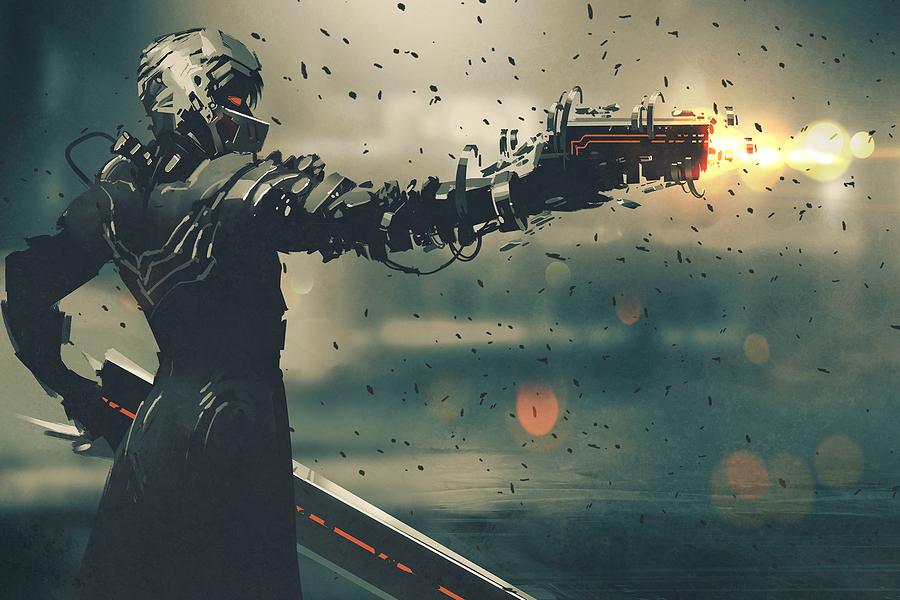
If you’re thinking about applying for a game art degree, your portfolio is one of the most important parts of your application. While qualifications and enthusiasm matter, your portfolio gives tutors the opportunity to see how you think, create and develop ideas.
You won’t be expected to present a flawless collection of artwork, but your portfolio should demonstrate your potential as a creative artist. Admissions tutors are interested in your creative process, willingness to experiment and ability to solve visual problems.
So, what makes a portfolio stand out? Here are the main points to focus on.
Show a range of creative skills
Game development is a collaborative industry involving artists with different specialisms. A strong portfolio should demonstrate versatility and curiosity, even if you already have a particular area of interest.
You might include:
- Character designs
- Environment artwork
- Creature concepts
- Vehicle or prop designs
- Digital illustrations
- Traditional sketches
- 3D models
- Texture work
- Storyboards
- UI or HUD concepts
Showing that you enjoy exploring different styles and techniques helps tutors understand your creative potential.
Include your creative process
Finished artwork is important, but the journey behind each piece can be just as valuable.
Rather than only presenting polished images, include:
- Initial sketches
- Mood boards
- Reference images
- Colour exploration
- Shape studies
- Development iterations
- Notes explaining design decisions
This gives tutors an insight into how you approach problems and refine ideas… an essential skill in game development.
Demonstrate original thinking
Your favourite games can and probably will of course inspire your work, but avoid simply recreating existing characters or environments. Instead, think about creating original worlds, characters or creatures with their own personalities and stories.
For example, rather than drawing an existing fantasy knight, consider designing:
- A futuristic explorer from an underwater civilisation
- A robotic gardener maintaining abandoned cities
- A mythical creature adapted to survive on another planet
Original concepts demonstrate imagination and world-building skills, which are highly valued within game art.
Quality is better than quantity
A common misconception is that bigger portfolios are automatically stronger. In reality, a carefully selected portfolio of 15 to 20 excellent pieces will usually create a much stronger impression than 50 rushed artworks.
Ask yourself:
- Does this piece demonstrate something new?
- Is it one of my strongest examples?
- Does it reflect my current ability?
If the answer is no, it may be better left out.
Show you can work digitally
Traditional drawing skills remain incredibly valuable, but today’s game artists also work with digital tools.
Depending on your experience, your portfolio could include work created using software such as:
- Adobe Photoshop
- Blender
- Maya
- ZBrush
- Substance Painter
- Procreate
You don’t need to master every piece of software before applying, but showing that you’re comfortable learning digital workflows can strengthen your application.
Demonstrate observation skills
Not everything has to be fantasy or science fiction. Life drawing, architectural sketches, still-life studies and observational drawing all demonstrate fundamental artistic ability.
Strong observation skills help artists understand:
- Perspective
- Lighting
- Anatomy
- Form
- Composition
- Texture
These foundations support every aspect of game art, regardless of genre.
Tell a story through your work
Games are interactive experiences built around storytelling.
Even a single character design can communicate:
- Personality
- Occupation
- Strengths
- Weaknesses
- History
- Motivation
Think beyond simply creating attractive artwork. Ask yourself what story each design is telling.
Perhaps your environment artwork hints at an abandoned civilisation, or your character’s equipment reveals their profession without needing any explanation. These storytelling details help your work become more engaging.
Keep your portfolio well organised
Presentation matters. Whether you’re submitting digitally or bringing physical work to an interview, make it easy for tutors to navigate.
Arrange your work logically by:
- Beginning with one of your strongest pieces
- Grouping similar projects together
- Including brief descriptions where appropriate
- Removing duplicate or repetitive work
- Ending with another standout project
A clean, organised portfolio allows your artwork to take centre stage.
Don’t be afraid to show your personality
Creative industries thrive on originality. Whether your interests lean towards stylised animation, realistic environments, fantasy creatures, horror aesthetics or colourful indie games, let your portfolio reflect who you are as an artist.
Authenticity leaves a stronger impression than trying to imitate current trends. Tutors understand that you’re applying to learn. They want to see creativity, curiosity, problem-solving, technical potential and a willingness to develop.
If you enjoy creating worlds, telling visual stories and continually improving your artistic skills, your portfolio is already heading in the right direction.
Treat it as a creative journey rather than a finished destination, and you’ll give tutors a genuine insight into the artist you could become.