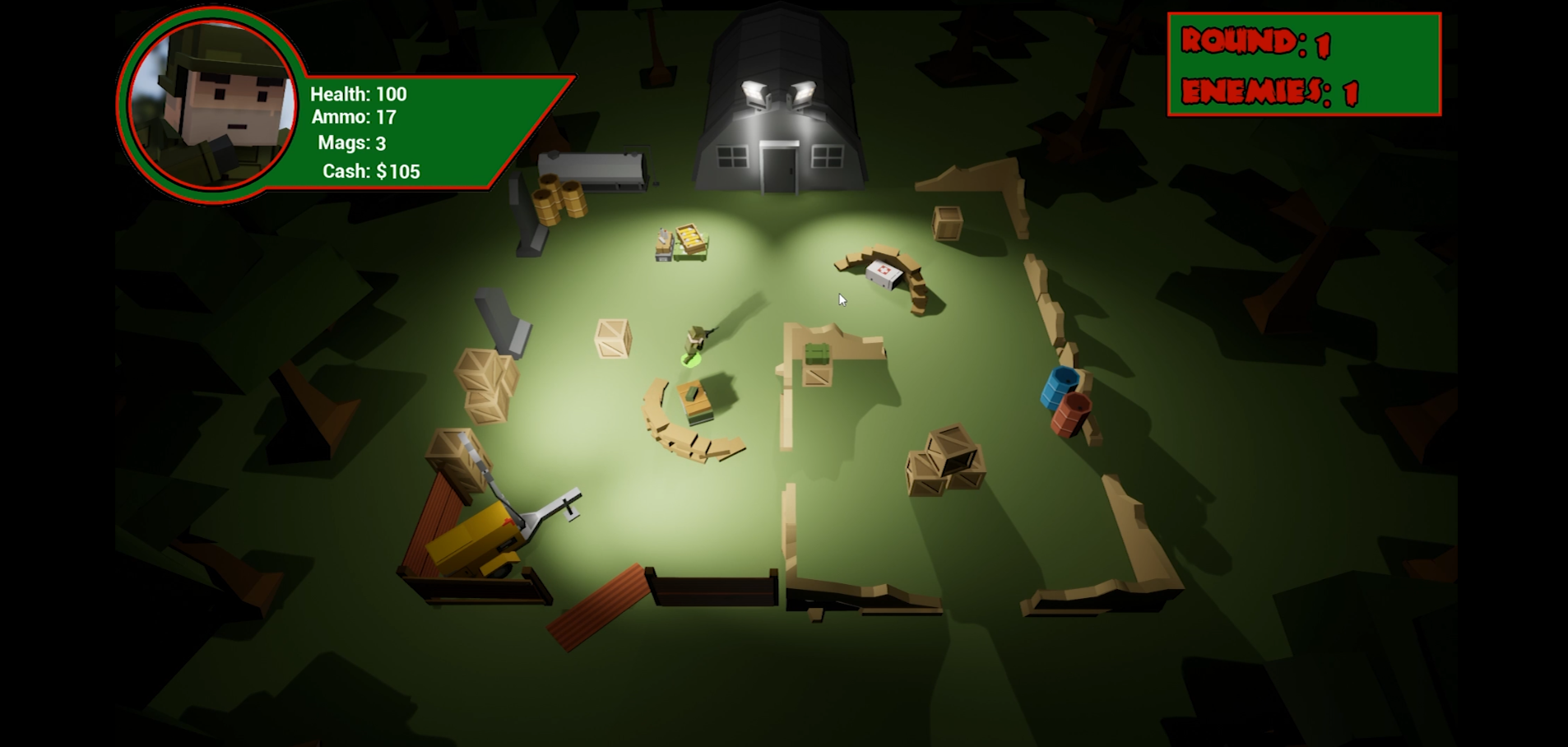
An introduction to the fundamentals of applied artistic knowledge, covering core principles such as form and volume, perspective, figure, gesture, light, and colour, alongside observational and life drawing workshops.

Study a BA (Hons) Game Art degree in Manchester and develop the artistic and technical skills needed for careers in the games industry. Learn concept art, character design, 3D modelling, digital sculpting, environment art and game engine workflows while building a professional, industry-ready portfolio that showcases your creativity.
Elevate your artistic and design abilities whilst diving deep into the world of game development. Our Game Art degree teaching staff are all active in the games industry, providing up to date course content and bringing you real-world connections to start building professional network as a student.
An introduction to the fundamentals of applied artistic knowledge, covering core principles such as form and volume, perspective, figure, gesture, light, and colour, alongside observational and life drawing workshops.
Designed to introduce you to basic modelling techniques with an industry-standard 3D modelling package and familiarise you with 3D modelling workflows. It aims to provide a solid foundation of game engine ready asset creation and enable you to create a portfolio of 3D modelled work.
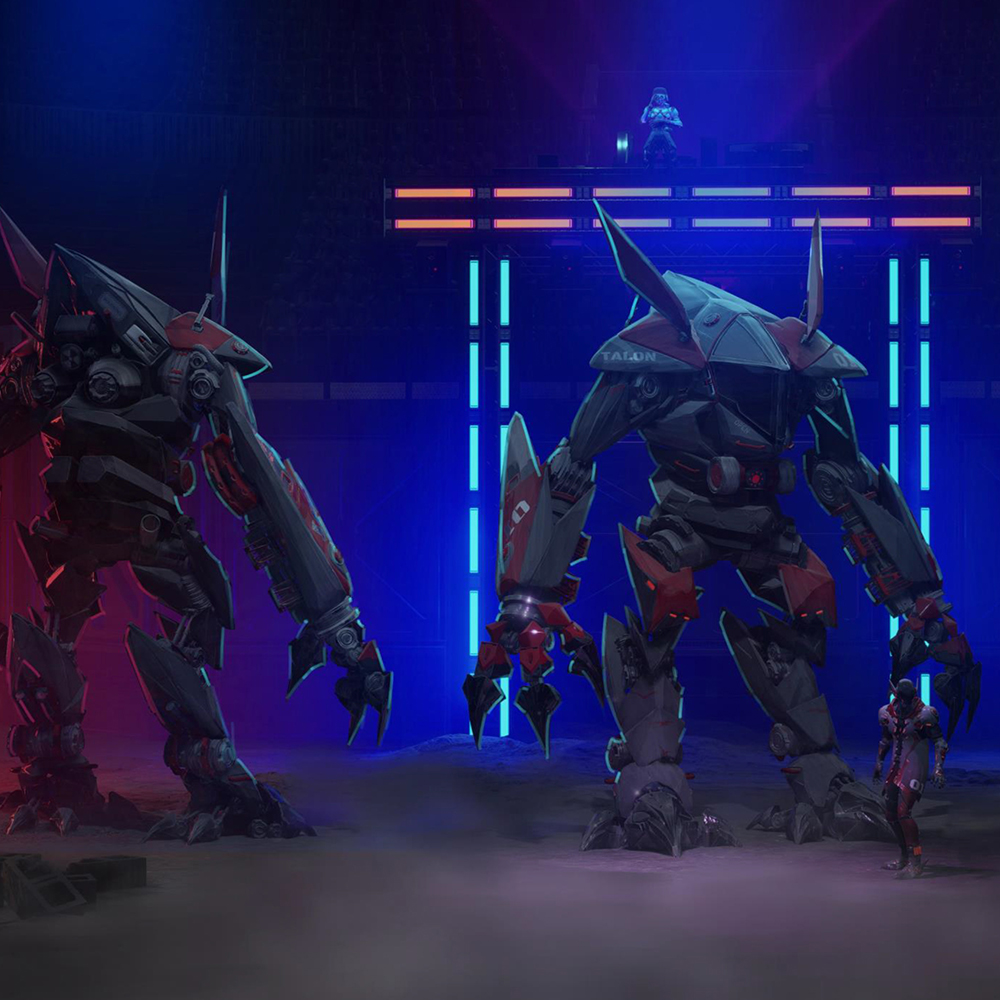
This focuses on the foundational concepts of design, analysis successful practices, the theories behind good design, shape language, environmental design, character design and prop design which are all used in the creation of concept art. Framing the learning around constant iteration and development of ideas, formulating good design ideas and peer to peer feedback.
This module encourages you to engage with the history of their mediums, with a chronological study of the history of art and their movements (placing the techniques you are learning against the backdrop of their historical development) and how these movements have influenced the visuals of games. Key skills like writing, research, referencing, and presentation skills are also developed.
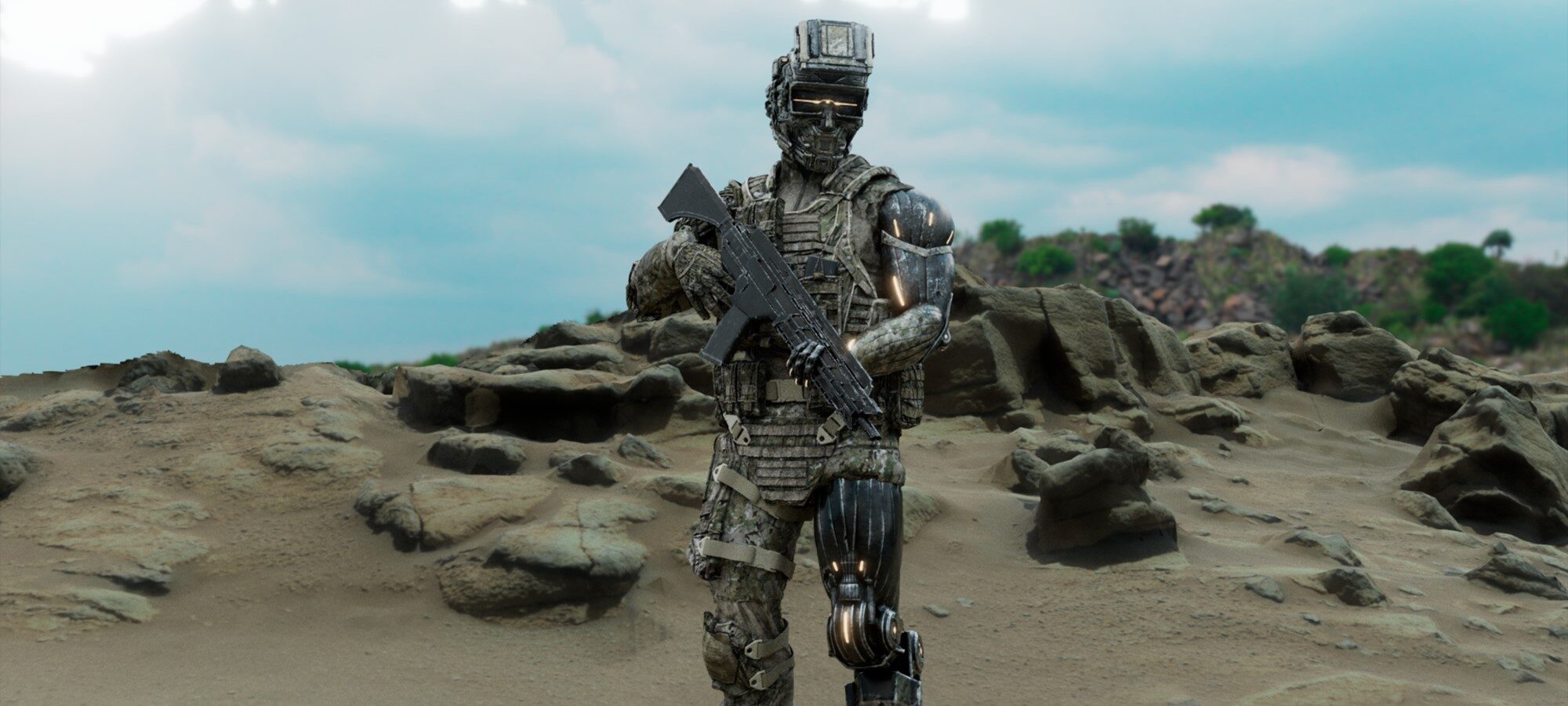
You will explore the forms of the human body, familiarising yourselves with the creation of a character through digital sculpting, detailing, retopologising, baking and texturing phases. This both strengthens the core understanding of anatomy as well as enriches the appreciation of how the production pipeline works.
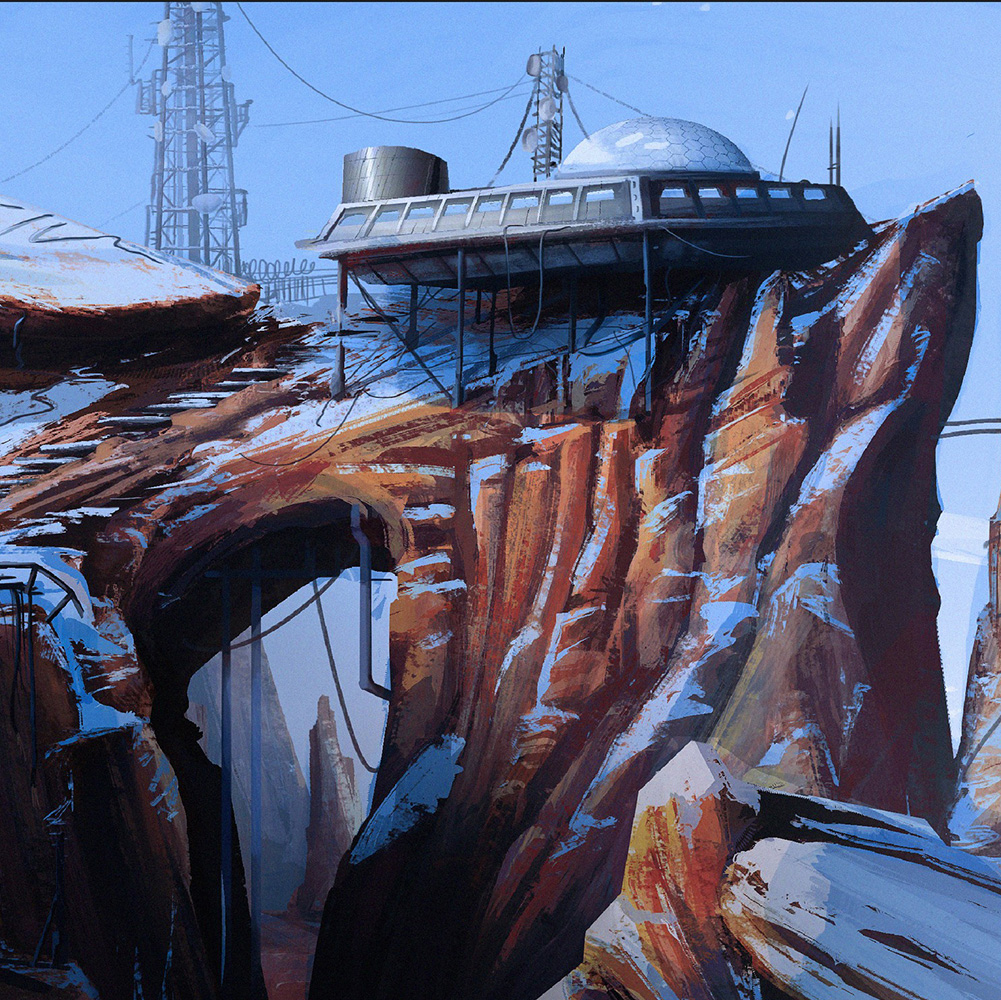
Enhance your practical skills in 3D modelling and texturing software and analyse the process for preparing game art assets for use within a game engine. You will construct a level using a game engine, incorporating modular modelling, trim sheets and PBR (physics-based rendering) texturing.
This module expands your visual design skills and introduces more advanced levels of concept design methodology and theory as well as allowing you to specialise in your chosen field within the realm of visual design and concept art.
In this module you will be tasked with taking a project from beginning to end, writing your own brief, creating a project schedule and working independently. You will be guided through an independent brief which you will negotiate with your tutor which will allow you to choose your own game art specialism. This module will teach you how to write briefs, formulate schedules and manage your project.
To best prepare for the production elements of your Final Year Project (FYP), you will write your FYP brief along with rigorous research, testing, development, and self-education, relating to your brief requirements and developing skills sets. Along with this, you will write an academic journal, tracking their progression and reflect on their decisions and progress.
This module is the actual execution of what was researched, developed, and practiced in the Practical Research module. Continuing to enforce the importance of project management, scheduling, and risk assessments, you will utilize all the practice from the previous module to create your best work. Effectively you will undertake work in this module that you want to pursue professionally in industry.
You will choose from a variety of professional set briefs, either co-written with an external games development studio, or written by your tutor. The assignment would be an example of how briefs maybe written in that studio, with the specified requirements, terminology, milestones, expected deliverables. Briefs would be split into categories to allow you to follow your chosen specialisation but would run with the same strictness that would be expected in a studio environment.
This module aims to investigate and evaluate game art created by contemporary artists, building upon your visual design skills through the creation of a professional 2D game art portfolio. It enables you to create your own project briefs that are appropriate for and complement your chosen specialism and provides an opportunity to prepare portfolios in readiness for job interviews for game art roles within the industry.
A module focusing on getting you a job: everything from CVs, websites, showreels and portfolios, to how and where to network, interview practice and how to find work as a freelancer.
Full-time, in-person, on-campus
Typically between 12 and 14 hours a week
Typically between 35 and 40 hours a week
We provide PCs to work on onsite, with Cintiqs, Wacom tablets and digital camera capture stations;
all of which can be signed out from facilities. We have onsite licenses for Toonboom Storyboard Pro,
Adobe Creative Cloud and TV Paint that means you can use them on campus.
You may find it beneficial to invest in additional equipment and/or study resources to support your
learning. Example costs are:
• Pens, pencils and notebooks: around £50
• Adobe Creative Suite license (for home use): £16.24 per month (with student discount)
• Wacom drawing tablet (Wacom One is £36) or Wacom Cintiq (£450)
• External hard drive (SSD) approx. £100
• Maya/Substance package – free but requires sign up
Game Art graduates can go on to multiple opportunities in the games industry, such as:
With opportunities widely available in the UK and overseas, this course will allow you to become part of the next generation of inspirational Game Artists.
To be considered for this course, you will require 104-120 UCAS points.
This could be gained via a number of qualifications, for example:
You can apply for this course by applying directly to Futureworks. Alternatively, you can apply via the UCAS system. The UCAS codes for this course are as follows:-
UCAS Code: I620
Institution Code: F98
If you have any questions please call us on 0161 214 4602 or email admissions@futureworks.ac.uk
Successful applicants will be asked to submit a portfolio. For your portfolio we recommend including some observational drawing, ideally life drawings. Experience in digital working and animation is not necessary prior to starting the degree, but if you have explored any of these avenues already then we’d love to see them. Other than that, submit any work you are particularly proud of, between 8 and 10 pieces in total.
More information on our admissions process can be found in the Student Recruitment and Admissions Policy in the Policy Hub

Our Game Art degree combines creative exploration with industry-led learning to help you develop the knowledge, practical skills and professional portfolio needed for a career in the games industry. You’ll be taught by tutors currently working in the industry who bring professional practice and real-world insights into the classroom, you could even find opportunities to make industry connections as a student!
We have small class sizes, meaning you’ll get lots of individual support, regular feedback and direct access to tutors throughout your studies. At Futureworks, you’re a name, not just a number.
Whether you’re looking to build specialist expertise, develop an industry-ready portfolio or take the next step towards a creative career, a Game Art degree at Futureworks provides a supportive, industry-focused environment for you to grow.
Futureworks Game Art graduates have gone on to work for a range of organisations across the creative industries. Alumni have secured roles with employers including Rockstar Games, Ubisoft and EA Games. Graduate outcomes vary and depend on factors such as individual experience, portfolio quality, and available opportunities at the time of graduation.
Manchester has plenty of independent student accommodation providers to choose from!
See our student accommodation guidance and a list of providers here.
All of our courses are £9,790 per year for home students, and £17,000 per year for international students.
Read more about fees, funding and student finance options here.
Yes! We currently offer four financial support funds to eligible students:
Read more about these funds and eligibility here.
At Futureworks, we offer 1-1 pastoral care and a free in-house councelling service for all students. Speak to our Student Wellbeing team about mental health, financial worries, disability support, or anything else that worrying you.
Read more about our Student Wellbeing services here.