BA (Hons) Editing for Film, TV and Media

Undergraduate Film & TV Editing Degree in Manchester

UCAS Code P313
Start Date 14/09/2026
Duration 3 Years full time
UCAS Points 104-120

Places available for September 2026 | Apply Now!

Course Overview

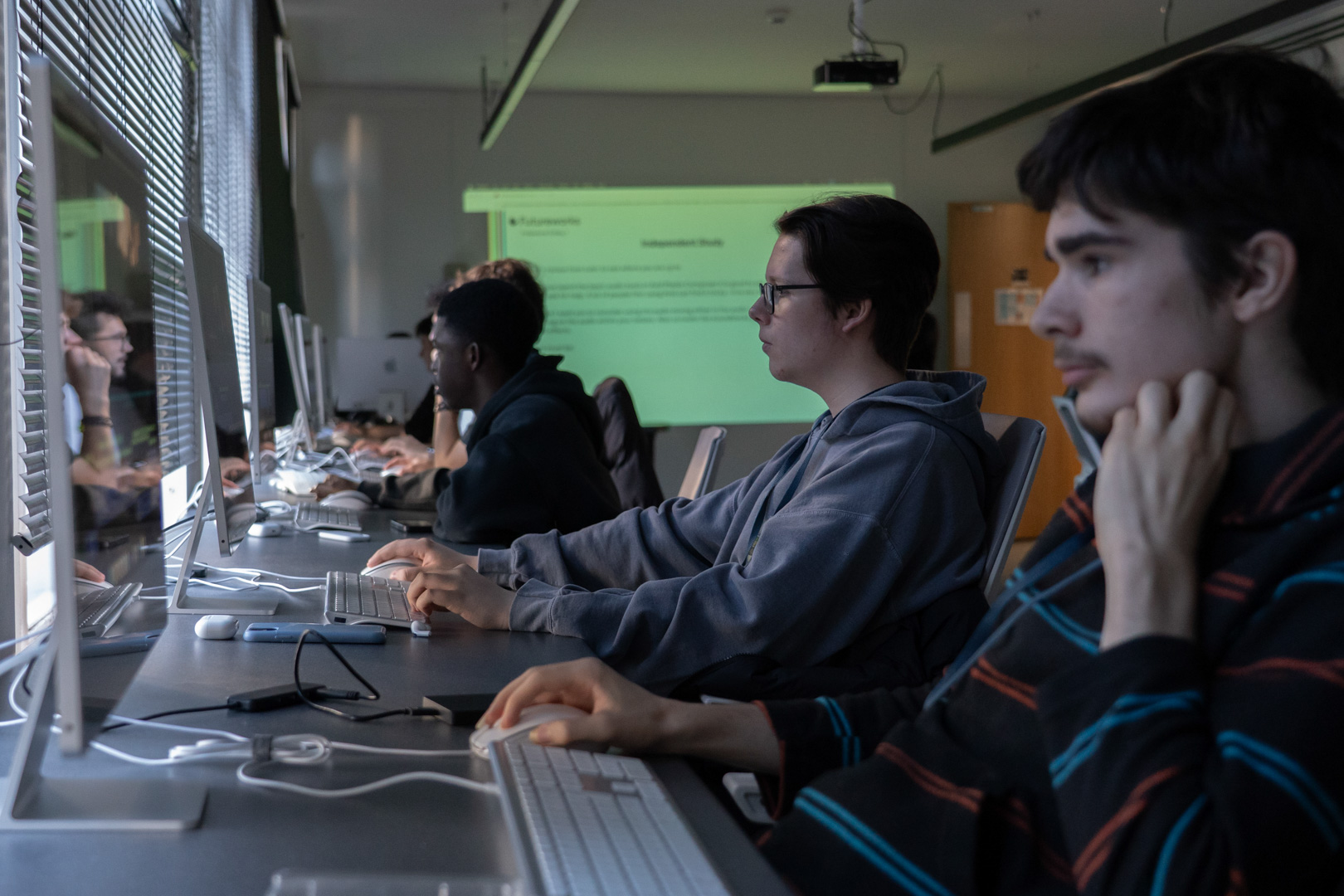
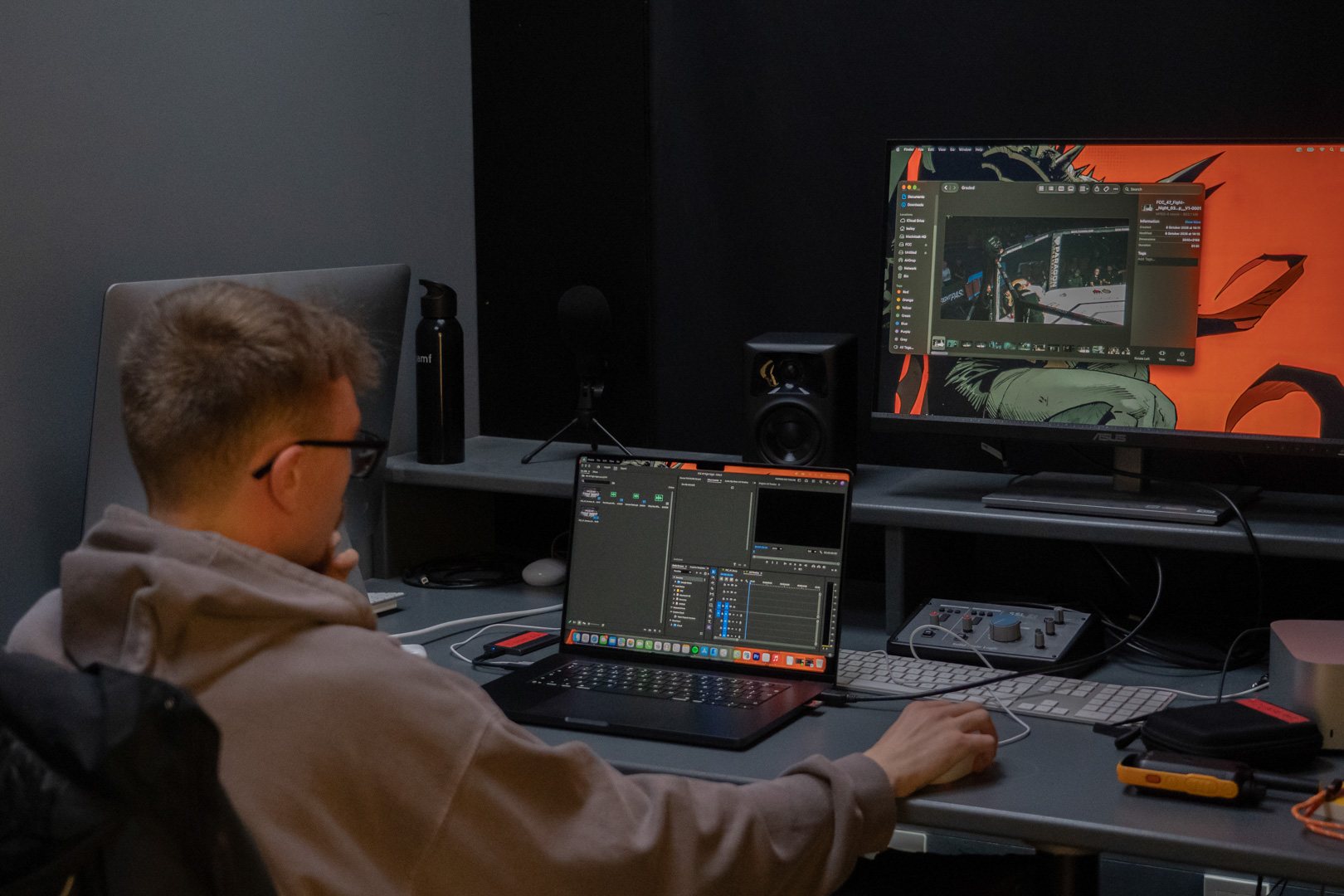
Study a BA (Hons) Editing for Film, TV and Media Degree in Manchester and develop the creative and technical skills required for careers in post-production. Learn professional editing, colour grading, film production, and audio for film and TV while creating industry-standard projects and developing a professional portfolio.

Futureworks collaborates with producers across the UK to bring students broadcast-quality standard footage in a wide range of genres. You will be working with source materials from Hollywood films and prime-time TV, and with footage you shoot yourself, to learn and replicate professional material from the film and TV industry!

This award is validated by The Open University.

What will I study?
  • Pre-Production
  • Production
  • Post-Production
  • Professional Editing
  • Film Production
  • Factual Editing
  • Colour Correction and Grading
  • Audio For Film & TV
Professional Editing 1 (40 credits)
This module introduces key post-production techniques, teaching fundamental editing skills using industry-standard software. You will learn to import, organise, and output media, understanding associated workflows. You will apply these skills in practical assessments, developing your understanding of editing theory and practice. The module lays the foundation for mastering practical, subject-specific skills with an industry-standard editing tool.
Film Production 1 (40 credits)
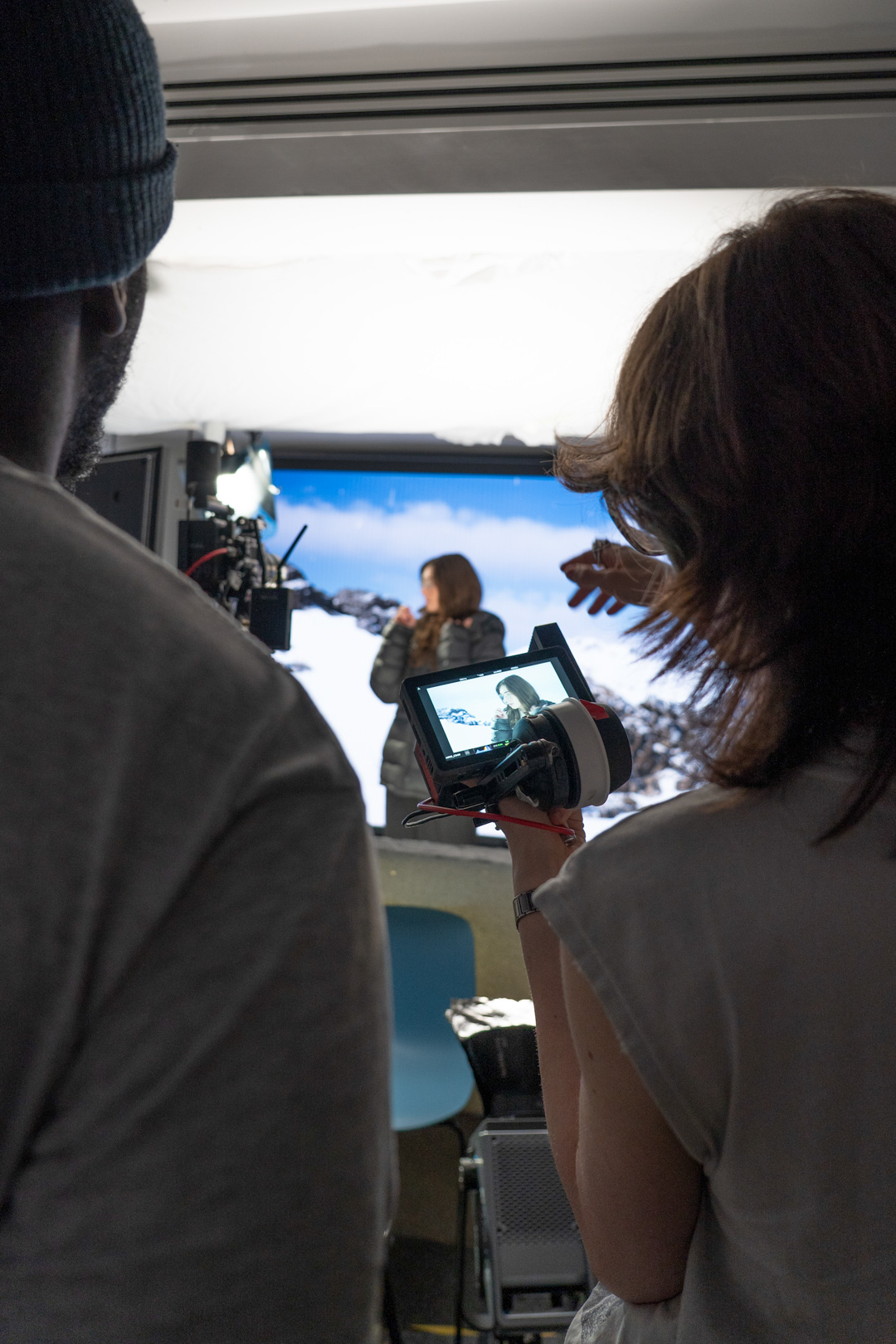
This is a complementary module to Editing, which introduces you to the technical and creative aspects of how to create footage. This takes the bulk of the equipment needed to produce a professional production in multiple formats and culminates in assessment of your first professional production through Micro filmmaking using pre-production and production skills.
Film Theory (20 credits)
This introduces you to research and research methodology to ensure they understand the importance of reliable, valid results that addresses aims and objectives. This is done through the lens of Film Theory in an historical and contemporary approach.
Factual Editing (20 credits)
Introduces you to the world of factual content such as News and short documentary. Taking into account ethics and broadcast standards this module complements Film Theory with the practicalities of fact-based productions.
Professional Editing 2 (40 credits)
Building on Professional Editing 1 this module focuses more on the creative aspects of the Edit. Here you will look to find the story and utilise the technical skills acquired in Editing 1. There is a significant collaborative aspect to the module as you are encouraged to work with your peers on the Independent Filmmaking programme.
Professional Industry Practice (20 credits)
Prepares you for the world of work in a multitude of ways from how to create a freelance portfolio to the techniques needed to become adept at employability.
Colour Correction and Grading (20 credits)
With the increase of specific roles in the Post Production Industry the role for specialist colour correctors and graders has risen significantly in recent years. This module delves into the specialist world of taking an offline edit and creating a cohesive and creative colour scheme that is technically correct and emotionally engaging.
Audio For Film & TV (40 credits)
Takes the entire audio process from initial ideas formulated from the script through pre- production, audio recording on set, ADR, audio effects and mixing. This is a complementary module and you will gain a base understanding that will enhance your ability to collaborate with audio professionals
Professional Editing 3 (40 credits)
Building on Professional Editing 2 this module focuses more on the technical aspects of television broadcast and film distribution. Working towards specifications outlined by the Digital Production Partnership and the likes of Ofcom you will enhance your creative and narrative skills with an understanding of how your ideas fit into media industry standards.
Documentary (40 credits)
This module takes factual editing to the next level where you will have the opportunity to hone in on a fact-based story and create a television documentary of your choosing. Additionally you will learn in-depth research skills alongside factual narrative storytelling in line with broadcast guidelines.
Major Project (40 credits)
This is the module that allows you the freedom to create your own project relating to your chosen area of the industry. This can include collaboration or individual work and is another area where you can enhance your portfolio and employability skills.
Mode of Delivery
Full-time, in-person, on-campus
In-Person Lessons
Typically between 12 and 14 hours a week
Self-study time
Typically between 35 and 40 hours a week
“The course allows students to expand not only on their editing skills, but also skills within other aspects of working in post-production - such as audio and VFX. Which I think is vital for going onto the industry.”

Oliver Hewlett
BA (Hons) Editing for Film & TV

Where can this degree take me?

We equip Futureworks graduates of Editing for Film, TV and Media to launch a successful freelance career in post-production. Whether that’s working with independent directors, becoming associated with film production companies or working for an agency or design consultancy, we will help you make contacts and partnerships during your course!

Today’s film industry relies on trusted freelancers, and Futureworks will give you the skills and industry knowledge needed to establish yourself in post-production.

Have a question for us?
Complete the short form below and we'll be in touch within a few days.

To be considered for this course, you will require 104-120 UCAS points.

This could be gained via a number of qualifications, for example:

  • BCC or above at A2 Level
  • DMM or above at Extended Diploma Level
  • M or above at UAL Level 3 Extended Diploma Level
  • A proven interest in this area

You can apply for this course by applying directly to Futureworks. Alternatively, you can apply via the UCAS system. The UCAS codes for this course are as follows:-

UCAS Code: P313

Institution Code: F98

If you have any questions please call us 
on 0161 214 4602 or email admissions@futureworks.ac.uk

Successful applications will receive an offer directly from Futureworks (and via your UCAS application if you applied through UCAS).

More information on our admissions process can be found in the Student Recruitment and Admissions Policy in the Policy Hub

Frequently Asked Questions

Why study Editing for Film, TV and Media at Futureworks?

Our Editing for Film, TV and Media degree combines creative exploration with industry-led learning to help you develop the knowledge, practical skills and professional portfolio needed for a career in the film and TV industries industry. You’ll be taught by tutors currently working in the industry who bring professional practice and real-world insights into the classroom, you could even find opportunities to make industry connections as a student!

We have small class sizes, meaning you’ll get lots of individual support, regular feedback and direct access to tutors throughout your studies. At Futureworks, you’re a name, not just a number.

Whether you’re looking to build specialist expertise, develop an industry-ready portfolio or take the next step towards a creative career, an Editing for Film, TV and Media degree at Futureworks provides a supportive, industry-focused environment for you to grow.

Where have Editing for Film, TV and Media graduates gone on to work?

Futureworks Editing for Film, TV and Media graduates have gone on to work for a range of organisations across the creative industries. Alumni have secured roles with employers including BBC, Disney and ITV. Graduate outcomes vary and depend on factors such as individual experience, portfolio quality, and available opportunities at the time of graduation.

What accommodation options do I have as a Futureworks student?

Manchester has plenty of independent student accommodation providers to choose from!

See our student accommodation guidance and a list of providers here.

What are the course fees?

All of our courses are £9,790 per year for home students, and £17,000 per year for international students.

Read more about fees, funding and student finance options, here.

Do you offer any financial support available to Futureworks students?

Yes! We currently offer four financial support funds to eligible students:

  • Disability Referral & Assessment Fund
  • New Students Support Fund
  • Hardship fund
  • Open Day & Interview Travel Reimbursement Fund

Read more about these funds and eligibility here.

What student support services does Futureworks have?

At Futureworks, we offer 1-1 pastoral care and a free in-house councelling service for all students. Speak to our Student Wellbeing team about mental health, financial worries, disability support, or anything else that worrying you.

Read more about our Student Wellbeing services here.