
What skills do you learn on a film and TV editing course? Discover editing, storytelling, software, sound, colour, collaboration and creative problem-solving.
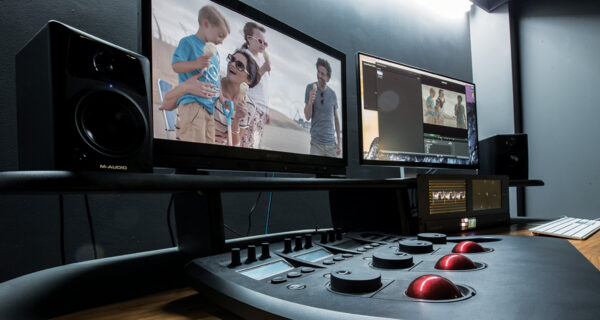
If you love films, TV shows, YouTube videos or online content, you may have wondered what happens after the cameras stop rolling. Shooting the footage is only part of the process. Editors take hours of recorded material and turn it into a finished piece of storytelling.
That makes a film and TV editing course an exciting option for creative students who are interested in storytelling, technology and working behind the scenes.
But what skills will you actually develop while studying for a degree in film and TV editing?
Editing and storytelling
One of the most important skills you will learn is how to tell a story through editing. Editing isn’t simply about putting clips together in the right order. You need to understand pacing, structure, emotion and audience expectations.
The decision to hold a shot for another second, cut to a different character or remove a scene entirely can dramatically change how an audience experiences a story. A good editor therefore needs both technical ability and creative judgement.
On an editing course, you’ll learn how different editing techniques can be used to shape narratives and create the right mood, rhythm and impact.
Industry-standard editing software
Modern editors need to be confident using professional editing software. A specialist course gives you the opportunity to develop practical experience with tools used throughout the film and television industry.
Learning these platforms isn’t simply about knowing where the buttons are. You’ll develop an understanding of how professional editing workflows operate and how to use software creatively to achieve a particular result.
Colour and image
Editing doesn’t happen in isolation. Once footage has been assembled, colour can have a significant effect on its appearance and atmosphere.
You’ll learn about the relationship between editing and other aspects of post-production, including colour grading. Understanding how colour influences mood and visual consistency can help you make more informed creative decisions.
Sound and syncing
Picture might be your main focus as an editor, but sound is equally important to the finished production.
An editing course can introduce you to techniques such as syncing sound with footage, working with dialogue and understanding how music and sound effects contribute to a scene.
Even a beautifully edited sequence can feel flat if its audio isn’t handled properly. Developing an awareness of sound helps you create more polished and convincing productions.
Attention to detail
Editing requires patience and an excellent eye for detail. You might be working with hours of footage containing tiny differences between takes. Perhaps an actor’s movement changes between shots, a prop moves position or a continuity issue appears in the background.
Editors need to notice these details while also keeping sight of the bigger story. Studying editing therefore helps you develop concentration, organisation and problem-solving skills alongside your creative abilities.
Collaboration and communication
Although an editor often works behind the scenes, editing is highly collaborative. Film and television productions involve directors, producers, cinematographers, sound professionals, colourists and many other creatives.
Editors need to understand feedback, explain creative decisions and work towards a shared vision. This makes communication an important part of studying editing.
Collaborative projects can give you experience of working with other creatives and help you understand how different roles contribute to a finished production.
Creative problem-solving
Not every editing project will go according to plan. You may have to work around missing footage, an awkward transition, continuity problems or a scene that doesn’t quite work in its original form.
Editors need to think creatively about how to solve these problems without losing the story. You’re not simply following instructions; you’re constantly making decisions about how to make the finished production work.
Portfolio development
Finally, you’ll need a way to demonstrate what you can do. A strong portfolio or showreel can help you showcase your editing ability to potential employers, clients or collaborators.
Rather than simply saying that you understand editing software, you can demonstrate how you’ve used it to create compelling finished work.
Is film and TV editing right for you?
Film and TV editing could suit you if you’re creative, technically curious, detail-oriented and fascinated by how stories are constructed.
You don’t have to be the person behind the camera to have a major creative influence on a production. Editors help determine what audiences see, when they see it and how they experience the story.
A specialist editing course can help you develop the technical knowledge, storytelling skills, creative judgement and collaborative experience needed to start building a career in post-production.