
What does a music producer actually do? Explore music production, studio recording, mixing, essential skills and potential careers in the creative industries.
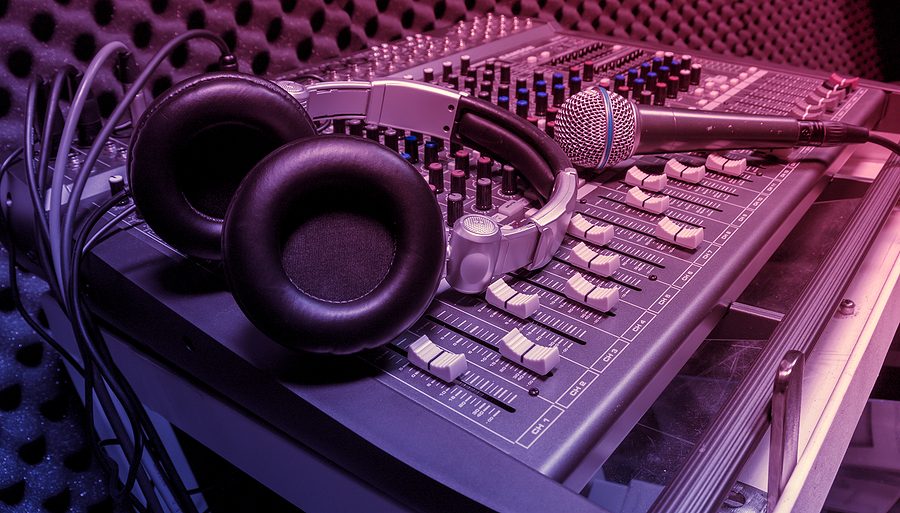
When you listen to a favourite song, you might focus on the vocals, the melody or the beat. But behind the finished track is often a music producer who has helped shape how it sounds, feels and comes together.
Music production combines creativity, technical knowledge and problem-solving. A producer might help develop an initial musical idea, work with artists to refine their performances, build arrangements, record instruments or oversee the final sound of a track.
But what does a music producer actually do, and what skills do you need to pursue a career in music production?
What is music production?
Music production is the process of developing and creating recorded music, from the first ideas through to the finished recording.
The producer’s role can vary considerably depending on the artist, genre and project. Some producers are heavily involved in songwriting and arranging, while others focus on recording, sound design or shaping the overall direction of a track.
For example, producing an electronic music track might involve programming beats, designing synthesiser sounds and arranging digital instruments.
Producing a live band could involve working with musicians in a recording studio, capturing performances and deciding how different instruments should fit together.
There is no single formula for music production. The role often involves combining artistic judgement with the practical skills needed to turn musical ideas into a polished recording.
What does a music producer do in the studio?
A music producer may be involved in several stages of the recording process.
Developing ideas and arrangements
Producers often help artists explore musical ideas and decide how a track should develop. They might suggest changes to the structure, introduce a new instrument, refine a chorus or experiment with different sounds.
Recording music
Depending on the project, a producer may oversee recording sessions, help performers achieve the desired sound and make decisions about microphones, equipment and recording techniques.
They may work closely with audio engineers, particularly on more complex productions.
Programming and sound design
Digital audio workstations (DAWs) allow producers to record, edit and arrange music using software. Producers may programme drum patterns, create electronic sounds, use virtual instruments or manipulate recorded audio to achieve a particular effect.
Editing and mixing
Producers may edit performances, adjust arrangements and contribute to the mixing process. Mixing involves balancing different elements of a track, including vocals, instruments, effects and other sounds, so they work together effectively.
Some producers carry out these tasks themselves, while others collaborate with specialist mixing engineers.
What is the difference between a music producer and an audio engineer?
Music producers and audio engineers often work together, but their responsibilities are not necessarily the same.
A music producer is generally concerned with the creative direction of a recording and how the different elements combine to achieve the intended result. An audio engineer focuses more directly on the technical aspects of capturing, processing and reproducing sound.
However, the roles can overlap. A producer might have extensive engineering skills, while an audio engineer may contribute creative ideas during recording or mixing.
Both disciplines require an understanding of sound, equipment and recording technology, but the balance between creative decision-making and technical work can differ.
What skills do you need to become a music producer?
You do not have to be an expert in every area of music to begin exploring production. However, several skills can help you develop.
- Creativity: Experimenting with sounds, arrangements and musical ideas.
- Listening skills: Recognising how different elements work together and identifying what could be improved.
- Technical knowledge: Understanding recording equipment, audio software and signal processing.
- Musical understanding: Developing an awareness of rhythm, melody, harmony and song structure.
- Problem-solving: Finding ways to achieve a particular sound or overcome recording challenges.
- Communication: Working effectively with musicians, vocalists, engineers and other creative professionals.
Patience is important, too. Producing a track can involve repeated listening, experimentation and revision before everything comes together.
Learning to use production software is valuable, but the technology itself is only part of the process. Understanding why a particular sound works, how to develop an arrangement and how to communicate a creative idea are equally important.
How can you start learning music production?
Experimenting with music software is a useful starting point. You could create a simple beat, arrange a short track or try mixing several audio elements together.
Listening critically to music can also help you understand how producers use rhythm, space, effects and arrangement to create a particular atmosphere.
For anyone considering a music production degree, practical projects can provide opportunities to develop these skills, learn recording techniques and work with other creative people.