
Can you work in the games industry if you are artistic rather than technical? Explore creative games careers in art, animation, 3D design, and visual effects.
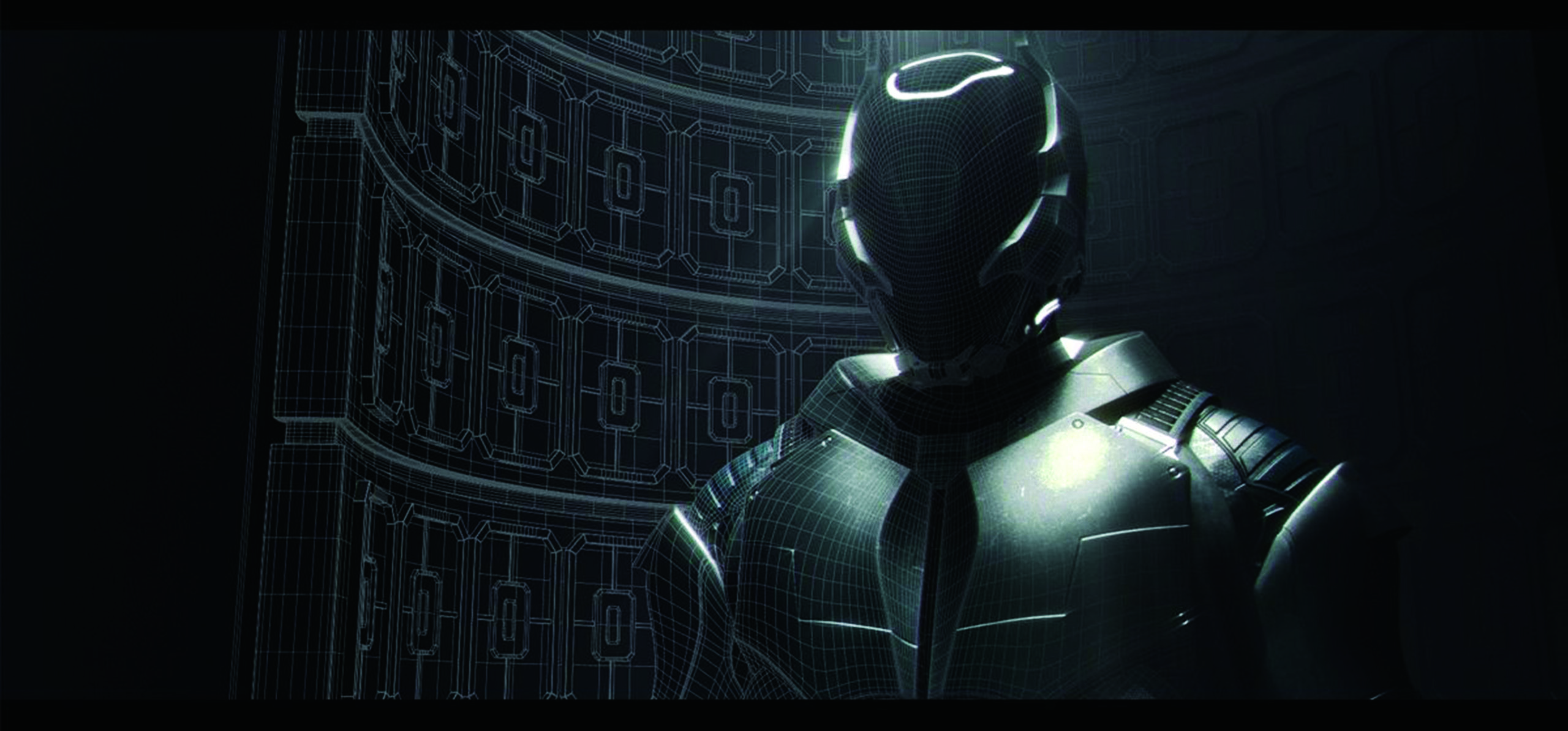
If you love games but your strengths are drawing, visual storytelling, animation or creative design, there are plenty of areas of the industry that could suit you. Games are highly collaborative projects, and creating one involves far more than programming.
Artists, animators, designers, audio specialists and other creative professionals all contribute to bringing a game world to life.
Do you need to be good at coding to work in games?
Not necessarily. Programming is an important part of game development, but it is only one discipline within a much larger creative process.
A game needs programmers to make its systems work, but it also needs people to decide what the world looks like, how characters move, what players experience and how the game sounds.
Different roles require different technical skills, too. A game artist may need to understand specialist 2D or 3D software, while an animator may need to learn particular animation tools and workflows.
These are technical skills, but they are different from learning how to write code. The important question is not whether you are artistic or technical. It is which combination of skills you would like to develop.
What creative jobs are available in the games industry?
There are many different creative roles involved in game development. Game artists create the visual elements of games, from characters and environments to objects, textures and other assets. Depending on their specialism, they may work in 2D or 3D.
Concept artists help establish the visual direction of a game. They can create early artwork showing what characters, locations, creatures and other elements could look like before they are developed further.
3D artists build digital models that can be used within a game. This could involve creating characters, buildings, props, vehicles or entire environments.
Animators bring characters and objects to life. Their work helps determine how a character runs, jumps, fights, interacts with the environment or communicates.
Technical artists sit somewhere between art and technology. They help artists and programmers work together and may focus on areas such as visual effects, shaders, tools and production workflows.
There are also roles involving user experience, narrative, sound and game design. In other words, being interested in games does not mean you have to become a programmer.
Is game development a good option if I love drawing?
A strong interest in drawing can be a useful starting point for several areas of game development. However, professional game art involves more than simply being able to draw well.
You may need to understand anatomy, perspective, colour, composition, visual storytelling and how to adapt your ideas for a digital environment. If you are interested in 3D games, you may also want to develop skills in modelling, texturing, lighting and digital sculpting.
That might sound like a lot, but these are skills that can be developed through study and practice. You do not need to arrive with everything already mastered.
Can artistic people learn the technical side of game development?
Of course, and you may find that some technical knowledge makes your creative skills more useful. For example, a game artist who understands how assets are used within a game engine may be able to communicate more effectively with designers and programmers.
An animator who understands the technical requirements of a game may be better equipped to create work that functions within the finished project.
You do not necessarily need to become a programmer. Instead, you can develop enough technical understanding to work effectively as part of a multidisciplinary team.
This is one reason a games-related degree course can be useful. It can give you the opportunity to explore different aspects of the development process while building a portfolio of practical work.
Could a games degree be right for an artistic student?
If you are passionate about games but consider yourself a creative rather than a technical person, a games degree could be an opportunity to turn that interest into practical skills. The games industry needs people with different strengths.
You might be particularly interested in characters, environments, animation, visual effects or concept art, while developing enough technical knowledge to understand how your work fits into the wider development process.
So, if your first thought is “I love games, but I’m not a coder”, don’t assume that means the industry isn’t for you. Games are built from many creative disciplines, and finding the area that matches your strengths could be the first step towards a creative career in games.