
Learn how to build a creative arts portfolio over summer from scratch. Simple, practical steps for visual effects and design students using everyday tools.
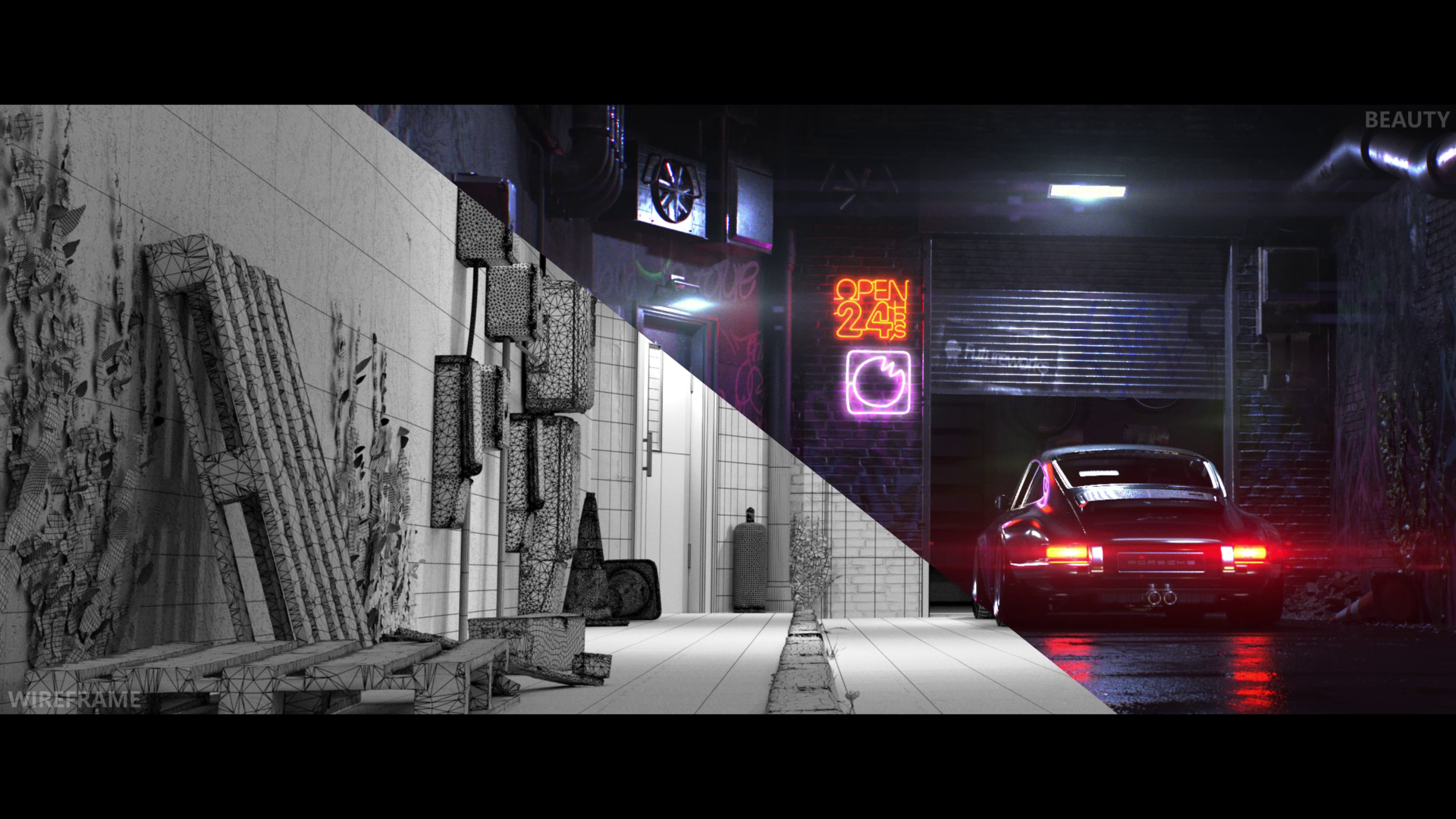
Summer is one of the best times to start building a creative portfolio, especially if you’re aiming for a degree in visual effects, game art design, or film. You don’t need expensive kit or a fully formed idea of your career yet, just enthusiasm and application.
What should a creative portfolio include for students?
If you’re starting from zero, begin by thinking of your phone as your main creative tool. Most modern portfolios are built from simple, accessible content: short videos, photo series, edited clips, digital graphics, or experimental storytelling.
What matters most is showing creative thinking and development rather than a polished end result.
How do I start a creative portfolio with no experience?
A strong first step is choosing a theme for your summer work. This could simply be ‘Manchester in summer,’ or ‘hidden details in my environment.’
A theme helps your work avoid feeling random and makes it easier to build a cohesive portfolio, but there’s no need to overcomplicate things. A strong but simple idea is more effective than being overly ambitious.
What are easy creative projects to add to a portfolio?
Focus on small, repeatable projects. For example:
- A 30-second visual story shot on your phone
- A poster for a fictional event or brand
- A short edited documentary about a place you visit
The goal is repetition and improvement over time. Each project should show progression in your skills.
How important is process work in a creative portfolio?
You should also document your process. Tutors and admissions teams are often just as interested in how you think as what you produce. Keep rough sketches, early drafts, screenshots, and behind-the-scenes clips to show how your ideas develop.
How do I organise a creative portfolio properly?
Finally, organise everything as you go. Use simple folders on your phone or cloud storage, or a free portfolio platform. A well-structured portfolio makes your work easier to understand and instantly more professional.
By the end of summer, you’ll have the beginnings of a creative identity and something tangible to show when applications open.